Spend a Day Outside Amsterdam?
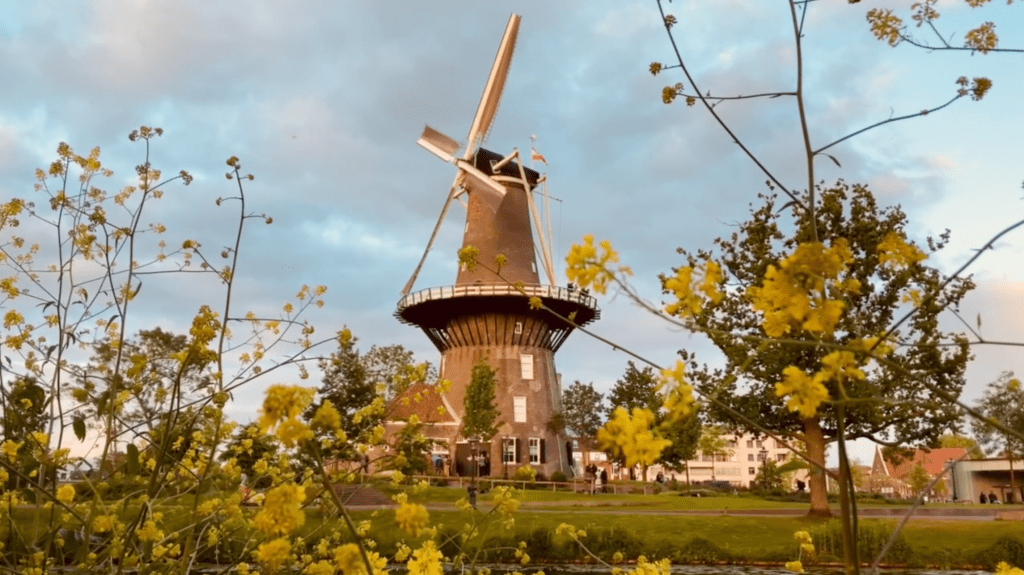
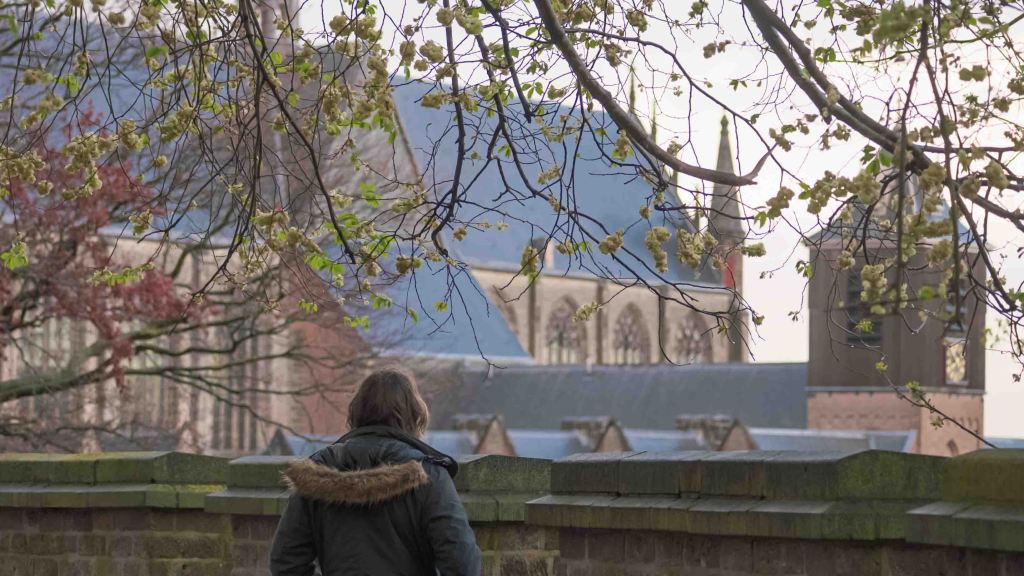
Leiden is undoubtedly one of the prettiest towns in Holland. It’s smaller than Amsterdam, but what it lacks in size it makes up in architectural splendour. If you want to see more picturesque canals and baroque buildings but feel you need a break from Amsterdam’s crowdedness and distinct marijuana smell, this is the place for you. My favourite activity here is to prepare a picnic and rent a small blue boat at Bootjes and Broodjes, a centrally located boat rental company. If you’re in town longer, you can also take a look at the entire Egyptian temple in the Museum of Antiquities, absorb the panorama from the walls of the ringed medieval fortress in the centre of town, and perhaps even have dinner at The Prentenkabinent, a good restaurant that sits in the shadow of the city’s twelfth-century colossus, the St Peter’s church. All that at a stone’s throw from where Rembrandt learnt how to paint and the tulip was popularised in the Netherlands, both about four centuries ago. Trains generally depart from Amsterdam Central Station every fifteen minutes, with the journey taking about forty-five minutes each way.
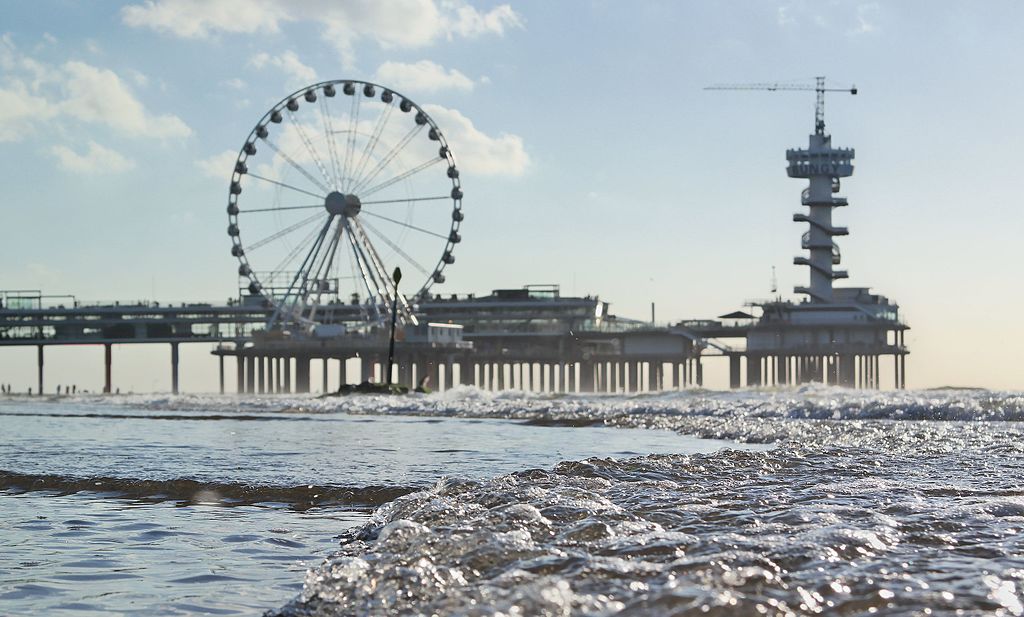
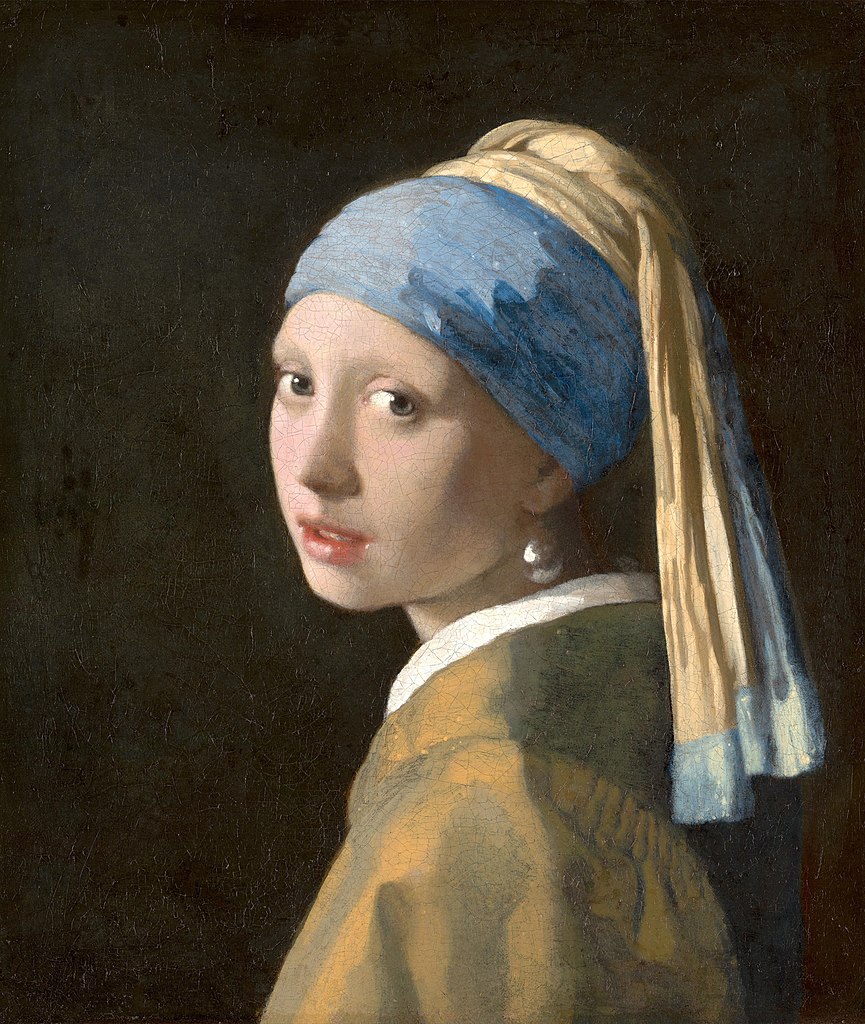
The Hague has been a political centre since the Middle Ages, ever since the Count of Holland built his castle there. Today, it houses the Dutch parliament, many governmental and administrative organisations, the International Court of Justice, and the Royal Library. The town’s biggest attraction to visitors, however, is the Mauritshuis, a museum dedicated to the art from the seventeenth century. Here you’ll find such famous canvasses as Rembrandt’s Anatomy Lesson and Vermeer’s Girl with the Pearl Earring. If you’ve decided to visit The Hague for the day, why not have dinner with a seaside view? The city boasts a famous pier, around which you’ll be able to find many evening activities. An added bonus is that after visiting the pier, you can officially say you’ve visited one of the country’s hardest-to-pronounce places: “Scheveningen”. The Hague is easily accessible from Amsterdam by train, with the journey taking about an hour. The Mauritshuis can be reached from The Hague Central station via bus, tram, or on foot.

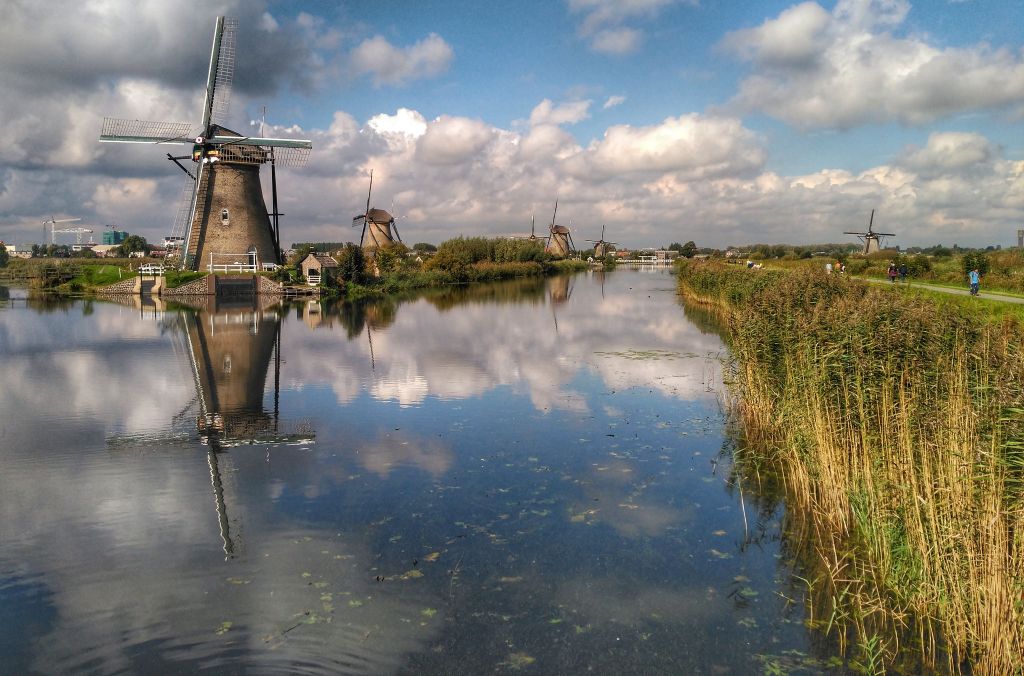
Windmills are an iconic element of the Dutch national identity. However, not all windmill experiences are created equal. The most often advertised attraction in Amsterdam is visiting The Zaanse Schans, a heritage park featuring an assembly of architecturally distinctive buildings that were salvaged from the area during a time of rapid industrialisation. The last time I was there, it was very busy. If you want to see windmills, I recommend visiting the Kinderdijk near Rotterdam instead. This is a Unesco heritage site and a tourist attraction. However, unlike the Zaanse Schans, these windmills provide an insight into what makes windmills so quintessentially Dutch: these are pumping stations that have helped the Dutch in their longest and still-ongoing struggle: the fight against the water. The Kinderdijk is close to Rotterdam, the country’s second-largest city, known for its enormous industrial port and adventurous modern architecture. If you want to visit the Kinderdijk windmill park, I’d recommend travelling to Rotterdam Central Station first and boarding a tram to the ferry stop at the iconic Erasmus Bridge. From here, you can take the waterbus to Kinderdijk.

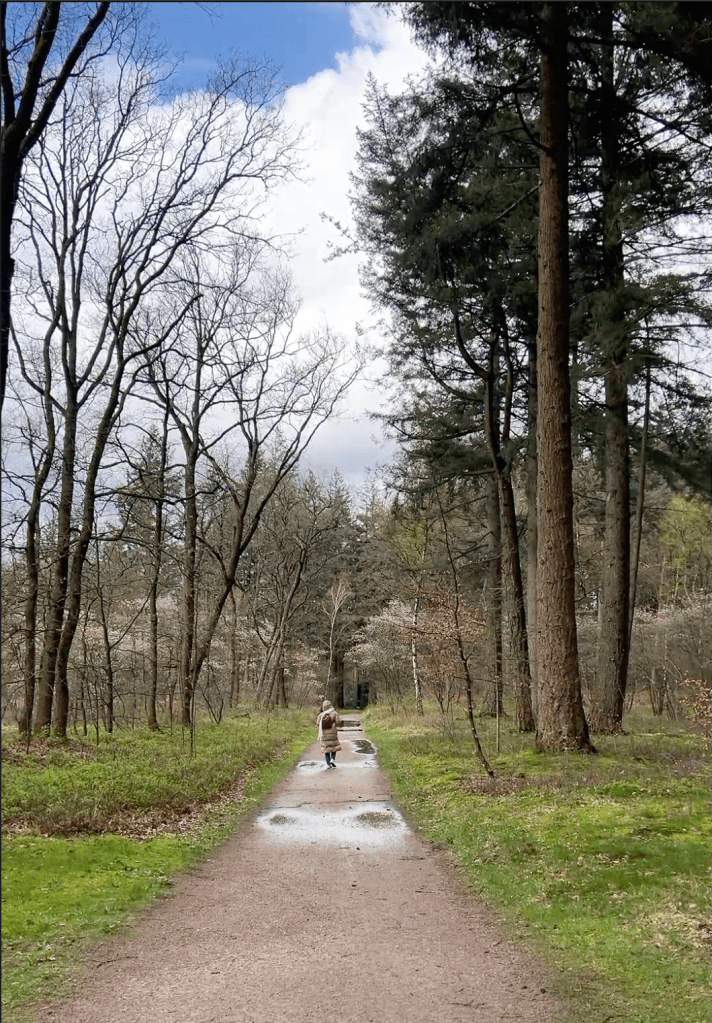
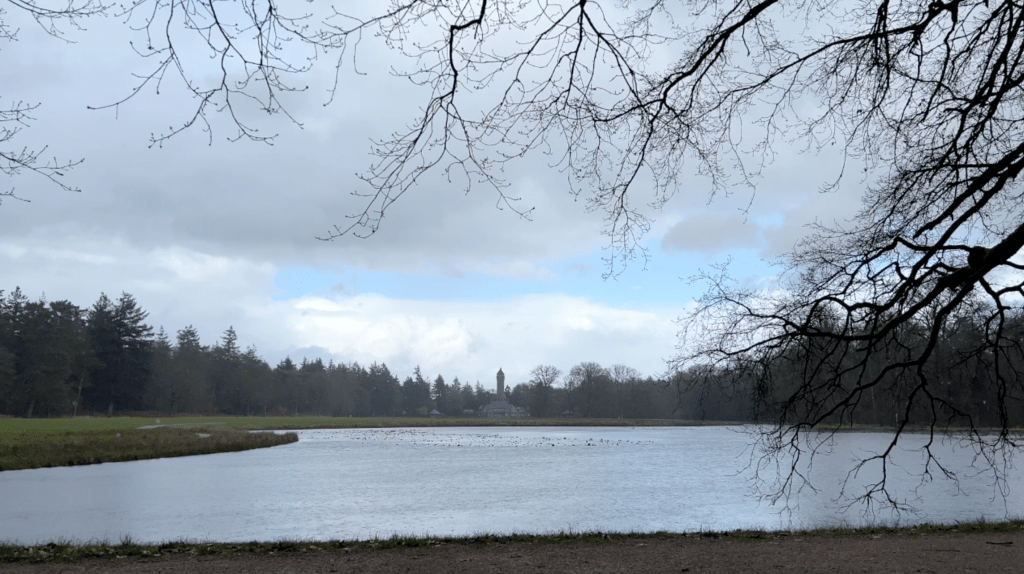
Kröller-Müller is probably one of my favourite museums in the Netherlands. It’s primarily focused on nineteenth and twentieth-century art and possesses one of the world’s leading collections of Van Gogh paintings, second only to Amsterdam’s Van Gogh Museum. On top of that, it also has works from Picasso, Seurat, and Mondriaan, as well as a massive sculpture garden. The museum is in the middle of a national park called De Hoge Veluwe, so if you want to combine art with cycling or walking through nature, visiting the Kröller-Müller is an excellent idea. Do note that Kröller-Müller’s location makes it hard to reach via public transport; it generally requires two trains and two busses from Amsterdam. My preferred method of travel is therefore by car. Visiting the national park also requires an entry ticket; make sure to budget for this, as it needs to be purchased separately.

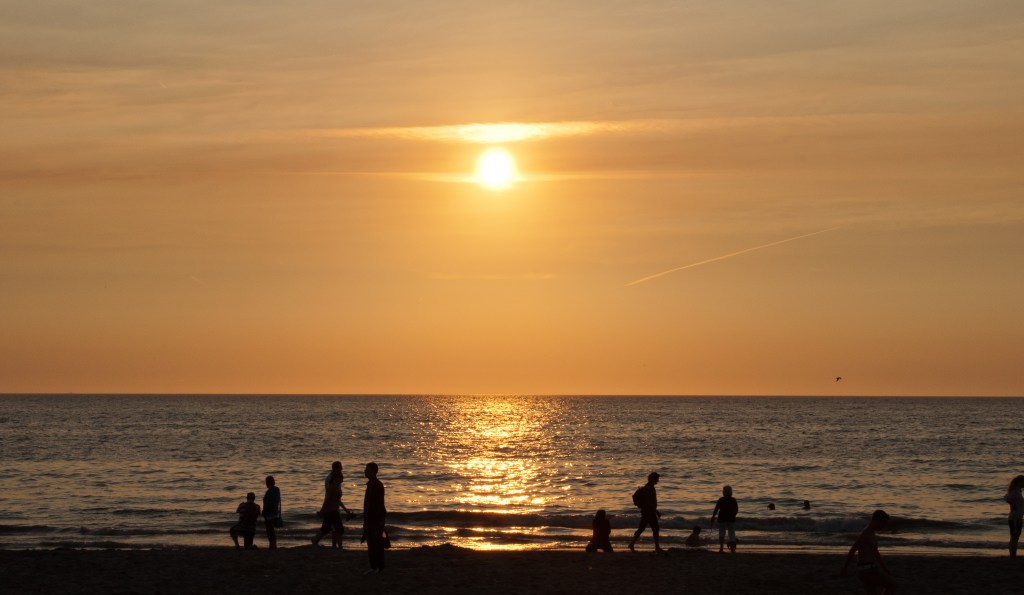
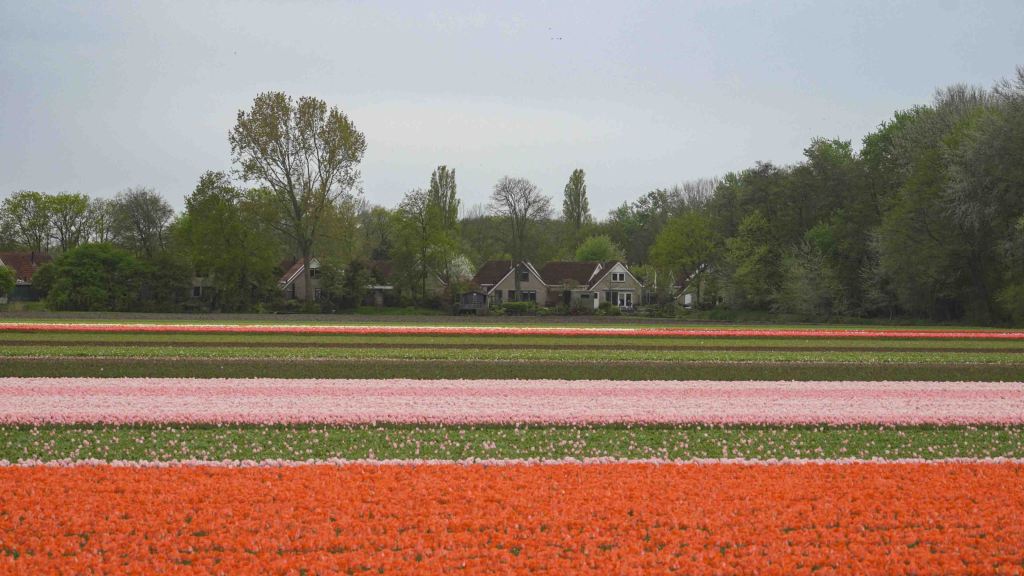
Noordwijk aan Zee is a quaint coastal town that boasts some of the country’s best seaside dining experiences and allows you to soak in some of the Netherlands’ unique beach culture. If you want to see the sun dip behind the horizon after a day of lying on your towel or sun bed, look no further. My favourite restaurant here is Branding Beach Club; it’s a lounge-like place with loads of options on the menu, perfect for a casual romantic dinner. Dutch beaches are definitely an experience all on their own, but I like them best when the weather is good. In that case, make sure to reserve a table. One thing to note: Noordwijk is not the most accessible place using public transport: from Amsterdam, you must take the train to Leiden and then board the bus to Noordwijk aan Zee. Having a car makes things more straightforward. The most accessible beach from Amsterdam is Zandvoort, which is accessible directly by train. If you want to make travel easier, definitely go here instead. If you visit in the spring, make sure not to miss the local tulip fields.

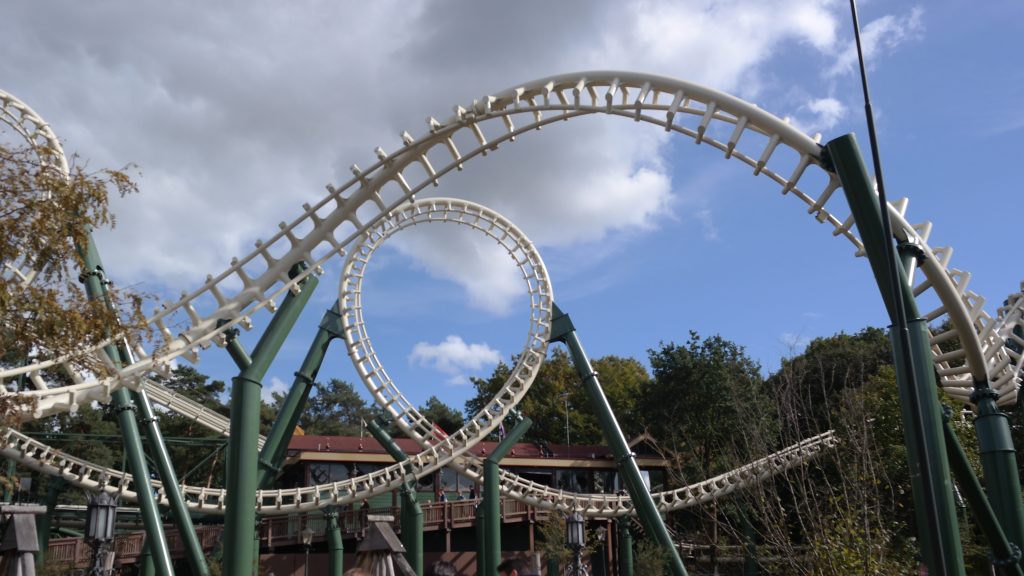
The Efteling is the Netherlands’ oldest (opened in 1951) and most beautiful theme park. Everything here is fantasy-themed, and much of the place’s enchanted atmosphere derives from the fact that the famous Dutch illustrator Anton Pieck designed the fairy-tale forest. The rides, rollercoasters, and haunted houses are often based on fairytales and myths, and in this way, the theme park can be compared to the much more famous Disney Land. From Amsterdam Central Station, the journey is usually around two hours and generally involves taking a train and a bus.
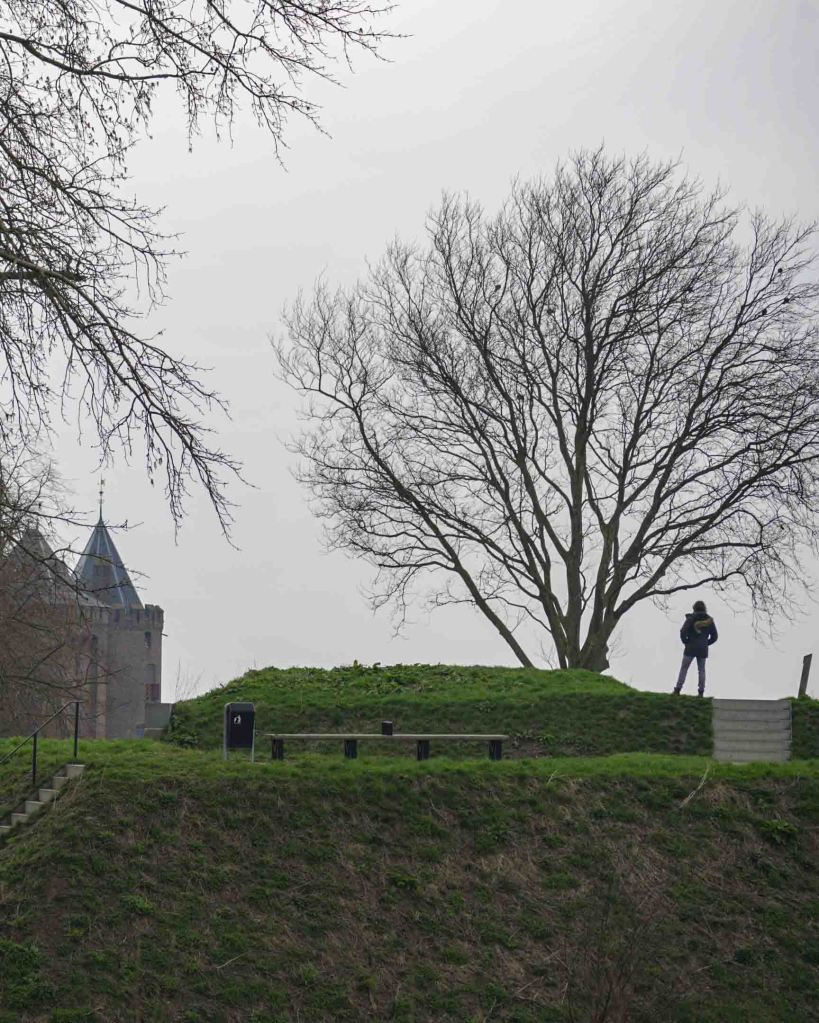
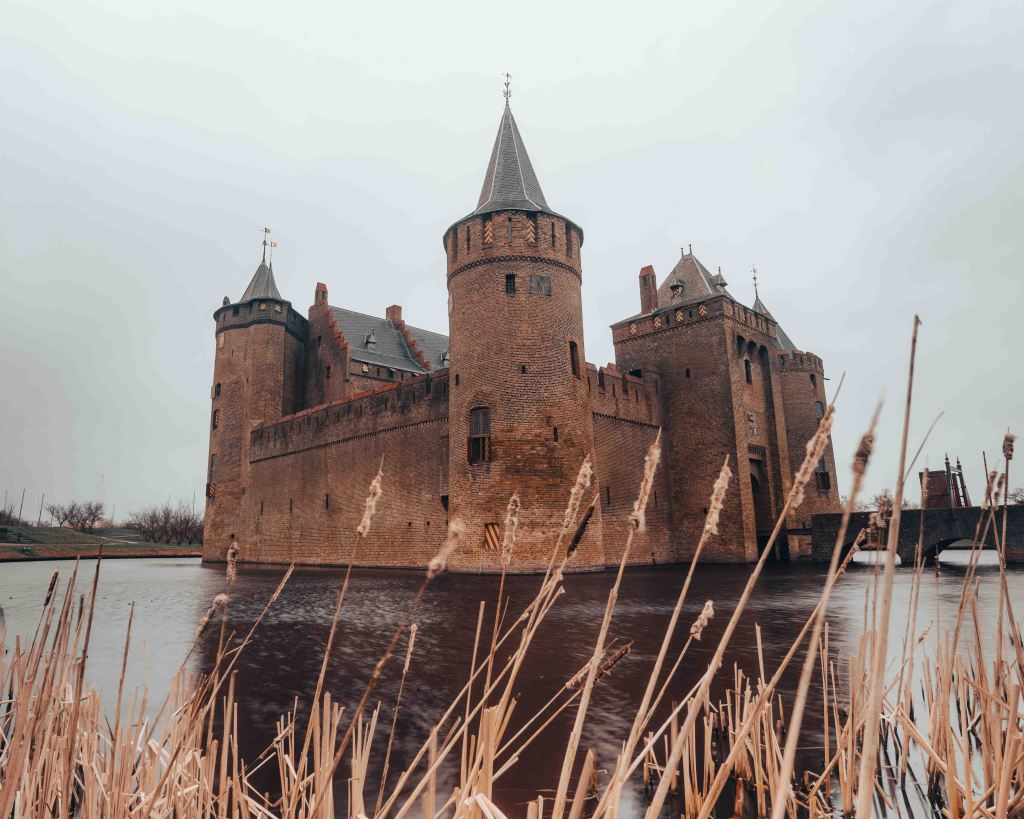
The Muiderslot is the Netherlands’ most iconic castle museum and the dwelling ground of some of the country’s most famous historical characters. The museum is great for kids and adults and offers audio tours in various languages. You can reach the Muiderslot by taking the train to Weesp and hopping on a bus to Muiden from there. The complete journey takes around an hour from Amsterdam Central Station.

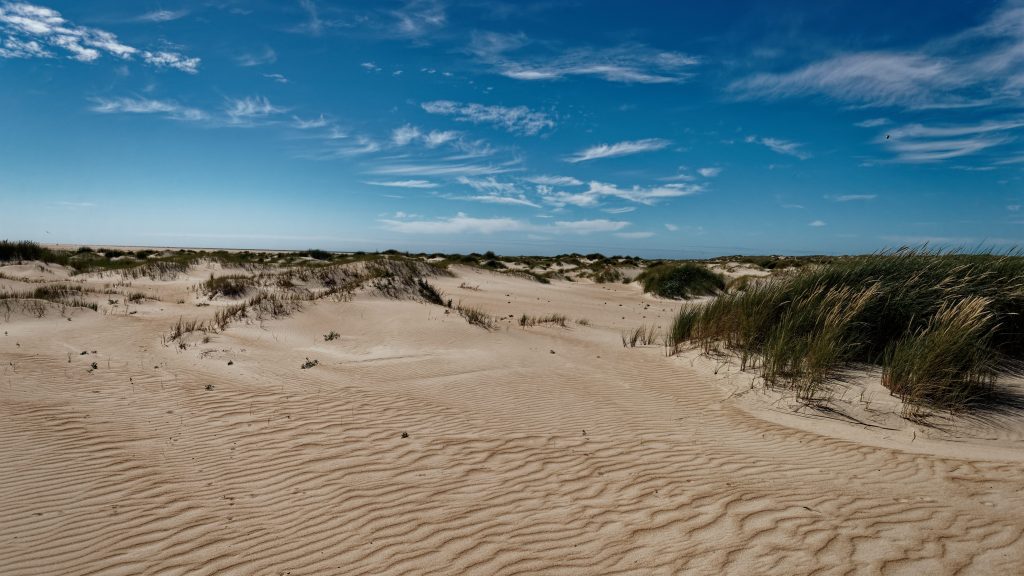
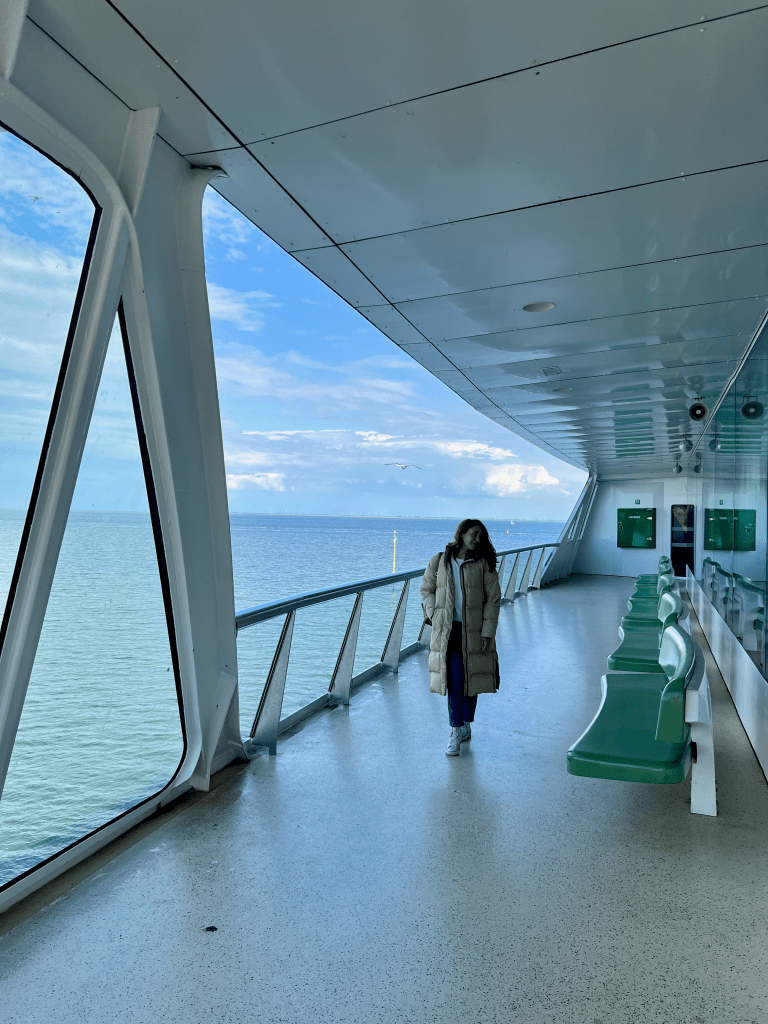
Texel is by far the most adventurous day trip on this list. If you want to know what Dutch people do during their summer holidays, you can visit one of the islands off the northern coastline. Texel is the largest and, from Amsterdam, the most accessible. The island is perfect for experiencing nature, lying on the beach, and engaging in various outdoor activities such as hiking, cycling, horseback riding, and even skydiving. Most people who arrive on foot rent a bike at the ferry port and cycle around the island according to their own interests: there are plenty of excellent beaches, rustic farming landscapes, and some unique national parks that attract many rare birds. If you want to explore the island by bike, I’d recommend stopping in one of the town’s several villages for lunch and several more times in other places for ice creams, coffees, and soft drinks. This day trip requires an early start to make the most of it and can be done by train or car, depending on how you would like to navigate the island. To get to Texel, go to the Den Helder ferry terminal. From there, you can make the crossing to the island. Boats leave regularly throughout the day, but stop going in the evening; don’t get stuck! Purchasing a ferry ticket online will make the journey smoother.
 Time Travel Amsterdam